The Wallet Everyone Trusts Is the One Hackers Study Hardest

Photo by Photo by Dan Nelson on Unsplash on Unsplash
There's a certain irony baked into the Solana ecosystem right now. The wallet that made DeFi accessible to millions of everyday traders — the one with the slick UI, the browser extension that just works, the app that onboarded your cousin and your coworker and probably half your crypto Twitter feed — is also the wallet that sophisticated attackers have spent the most time reverse-engineering.
Phantom isn't insecure because it's badly built. It's a target because it's wildly successful. And in the world of on-chain theft, popularity is basically a flashing neon sign that says "most victims per hour, apply here."
Let's talk about what's actually going on.
Why Dominance Makes Phantom a Honeypot
When one wallet controls the lion's share of a network's user base, attackers get something incredibly valuable: predictability. They know the interface. They know the approval flow. They know what a legitimate transaction request looks like to a Phantom user — and more importantly, they know exactly where the confusion points are.
Phishing campaigns targeting Phantom users aren't generic crypto scams anymore. They're tailored. Fake Phantom update pages that mirror the real extension install flow. Discord DMs with "wallet sync" links that look indistinguishable from official support. Fake NFT mint sites that trigger approval requests designed to look routine.
The numbers back this up. Multiple on-chain analytics firms have documented coordinated drainer campaigns that specifically generate transaction prompts formatted to exploit how Phantom displays approval data. The wallet shows you a summary — but the underlying instruction can authorize far more than what's on screen if you're not reading carefully.
The Token Approval Problem Nobody Talks About Enough
Here's where things get genuinely gnarly. Solana's token approval model — specifically the way programs can be granted authority over your SPL token accounts — creates a permission layer that most users never revisit after the initial interaction.
You connect to a DeFi protocol. You approve a transaction. You move on. What you may not realize is that some of those approvals delegate ongoing authority to a program. If that program is later compromised, upgraded maliciously, or was sketchy from the start, your tokens are exposed — and Phantom's interface won't necessarily wave a red flag.
This isn't a Phantom-specific flaw in the traditional sense. It's a Solana program model reality. But because Phantom is where most users live, it's where most of this exposure concentrates.
The fix here is actually pretty straightforward: audit your token approvals regularly. Tools like Revoke.cash (which now supports Solana) and Sol Incinerator let you review and close delegated authorities on your accounts. Most traders have never done this once. Do it now, then put it on a monthly calendar reminder.
Transaction Simulation: Your New Non-Negotiable
One of the most underused features in the Solana security stack is transaction simulation — the ability to preview exactly what a transaction will do before you sign it. Phantom has added some simulation features natively, but they're not foolproof, and they're not always turned on by default for every interaction.
Third-party tools like Blowfish and Pocket Universe sit between you and the transaction, simulating the full execution path and flagging anything that looks off — unexpected token transfers, program interactions with sketchy histories, approvals that exceed what the dApp should need.
If you're actively trading on Solana, running transaction simulation isn't optional anymore. Think of it like checking the gas before you sign a contract. It takes five extra seconds and it's saved people from losing everything.
The Hardware Wallet Play Most Phantom Users Skip
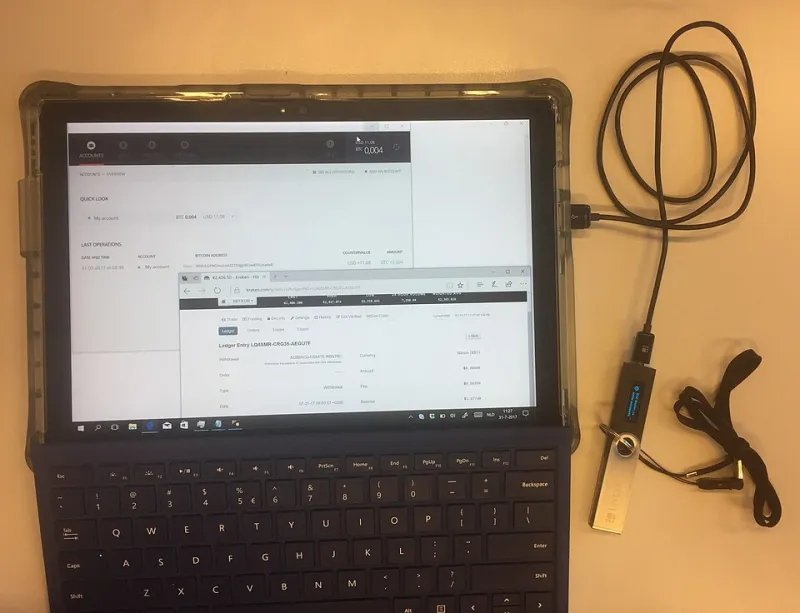
Phantom supports Ledger integration. Most people who know this still don't use it because it adds friction. That friction is the point.
When your private key never touches an internet-connected device, the entire category of browser-based attacks — malicious extensions, clipboard hijackers, compromised websites — becomes irrelevant. The attacker can phish your approval all they want. Without physical confirmation on the Ledger device itself, nothing moves.
The setup isn't complicated. You connect your Ledger to Phantom, derive a Solana address from the hardware wallet, and use that as your primary trading account. Your hot wallet — the one you connect to random DeFi sites — holds only what you're actively working with. Everything else stays cold.
This is the single highest-leverage security upgrade available to Phantom users right now, and it costs about $80 for a Ledger Nano. Compare that to the average drainer haul, which routinely clears five figures.
Multi-Sig Isn't Just for DAOs Anymore
Squads Protocol brought proper multi-signature wallet infrastructure to Solana, and it's more accessible than most retail traders realize. If you're holding a meaningful amount of SOL or SPL tokens — and "meaningful" is whatever number would genuinely hurt you to lose — a multi-sig setup deserves serious consideration.
The basic concept: instead of a single private key controlling your funds, you require M-of-N signatures to authorize any transaction. Two out of three keys, for example. Even if an attacker compromises one signing device or one seed phrase, they can't move anything without the second confirmation.
Squads has a clean interface now. It's not the command-line nightmare it used to be. Setting up a 2-of-2 or 2-of-3 multisig for your primary holdings takes maybe an hour the first time. The ongoing overhead is minimal.
Behavioral Habits That Actually Matter
Beyond the tooling, there's a layer of operational behavior that separates traders who get drained from those who don't.
Compartmentalize aggressively. Your NFT minting wallet should not be your DeFi wallet. Your DeFi wallet should not be your long-term holdings wallet. Phantom makes it easy to manage multiple accounts. Use that feature.
Never sign anything from a link in a DM. This sounds obvious. People still do it constantly, usually because the message came from a compromised account they trusted.
Check the URL. Phishing sites for major Solana protocols are often one character off from the real domain. Bookmark the actual sites. Use those bookmarks every time.
Be skeptical of urgency. "Your wallet needs to be verified in the next 10 minutes" is not a thing that legitimate protocols do. Ever. Urgency is a manipulation tactic, full stop.
The Bottom Line
Phantom is a genuinely good wallet. The team ships updates, responds to vulnerabilities, and has improved the security UX meaningfully over the past couple of years. None of that changes the fundamental reality that popularity makes it the highest-value target in the Solana ecosystem.
The traders who are going to keep their bags intact aren't the ones waiting for Phantom to solve every problem for them. They're the ones layering hardware wallets on top of simulation tools on top of compartmentalized accounts on top of smart behavioral habits.
None of this is complicated. It's just a little inconvenient. And inconvenient beats drained every single time.