Three Solana Wallets Flying Under the Radar That Serious Traders Are Actually Switching To
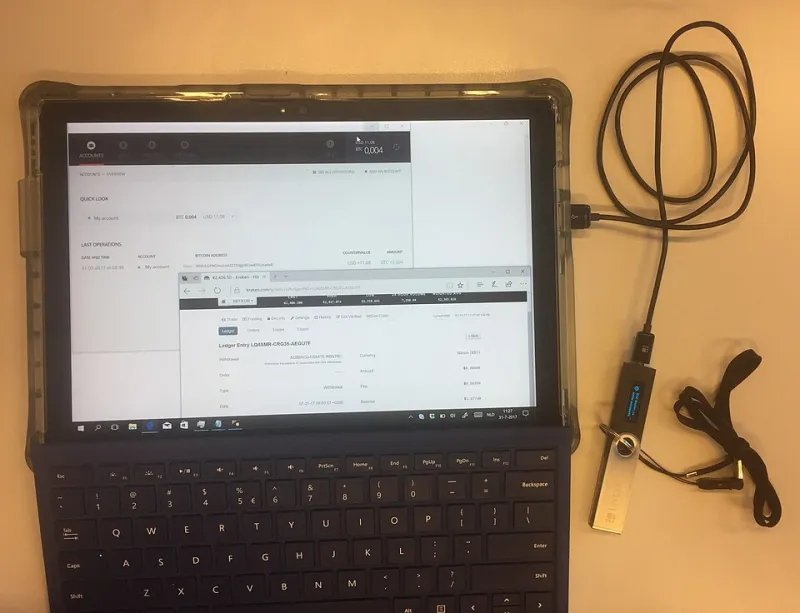
Photo: FlippyFlink, CC BY-SA 4.0, via Wikimedia Commons
The Phantom Problem Nobody Wants to Talk About
Look, Phantom is fine. It's polished, it's user-friendly, and for a lot of people jumping into Solana for the first time, it gets the job done. But "fine" doesn't cut it when you're trying to execute a time-sensitive swap, manage positions across multiple chains, or actually understand what you're paying in fees before you confirm a transaction.
The dirty secret in the Solana wallet space is that Phantom's dominance has more to do with timing and marketing than it does with being technically superior. They got there first, they made it look good, and inertia did the rest. That's not a knock — it's just how network effects work in crypto. But inertia can cost you real money when better tools exist and you're not using them.
Over the last several months, a few wallet alternatives have been quietly picking up steam among the kind of traders who actually care about what's happening under the hood. These aren't moonshot projects or vaporware — they're functional tools with distinct advantages in specific scenarios. Let's break down who they are and when they actually matter.
Backpack: Built for the Trader Who Wants Everything in One Place
Backpack came out of the xNFT ecosystem, which means it was designed from the ground up to run decentralized applications directly inside the wallet interface. That sounds like a gimmick until you realize what it actually means for your workflow.
Instead of bouncing between a wallet, a DEX tab, a portfolio tracker, and a price alert tool, Backpack lets you run those apps natively inside the wallet itself. For active traders managing multiple positions, that kind of consolidation isn't just convenient — it reduces the number of times you have to approve external connections, which cuts down on your attack surface.
The signing speed on Backpack has also gotten noticeably better with recent updates. Solana's throughput advantage is wasted if your wallet is the bottleneck, and a lot of Phantom users have run into confirmation delays during high-volume periods. Backpack has been more consistent in that regard, especially for users running on faster connections.
Where Backpack stands out most, though, is for traders who want multi-chain capability without juggling five different wallets. It supports Ethereum and other EVM chains alongside Solana, which matters a lot if you're moving between ecosystems to chase yield or catch launches on different networks. The unified interface means you're not constantly context-switching, which is a bigger deal than it sounds when you're trying to move fast.
Solflare: The Fee Transparency Option That Phantom Should Have Built Years Ago
Solflare has been around longer than most people realize, and it's gotten significantly better. But the reason it's worth talking about right now is specific: it gives you a clearer picture of what you're actually paying before you sign.
Fee transparency is a genuine issue on Solana. Between network fees, priority fees, DEX routing fees, and the occasional wallet-level markup that some platforms slip in, what looks like a cheap transaction can quietly get more expensive. Phantom has improved here, but Solflare has consistently been more explicit about breaking down cost components before you confirm.
For anyone doing high-frequency trading or executing a lot of smaller swaps, those fee differences compound. It's not dramatic on any single transaction, but across hundreds of trades it adds up — and more importantly, knowing exactly what you're paying lets you make smarter decisions about when and how to trade.
Solflare also has solid hardware wallet support, which is something a lot of retail traders don't think about until they get burned. If you're holding anything meaningful, being able to sign transactions through a Ledger or similar device without a clunky workaround is a real quality-of-life upgrade. Phantom technically supports hardware wallets too, but Solflare's implementation has historically been smoother.
The interface is a little more utilitarian than Phantom — it won't win any design awards — but for traders who prioritize function over aesthetics, that tradeoff is pretty easy to make.
Brave Wallet: The Sleeper Pick for the Privacy-Conscious Trader
This one might surprise you. Brave Wallet, built into the Brave browser, has added solid Solana support and it's worth paying attention to for a specific type of user: anyone who's genuinely concerned about data collection and tracking.
Most browser-based wallets communicate with external RPC nodes that can log your wallet activity, IP address, and transaction patterns. That data isn't always protected the way you'd hope. Brave's wallet integrates with the browser's built-in privacy tools, which means your on-chain activity is less exposed to third-party data collection by default.
This isn't paranoia — data brokers and analytics firms actively build profiles from on-chain activity combined with IP data, and that information can end up in places you didn't consent to. For US-based traders especially, where regulatory scrutiny on crypto is still evolving, keeping a lower profile isn't the worst idea.
Brave Wallet also doesn't charge additional fees on top of network costs, which is a clean advantage over some competitors that have started monetizing through fee markup. The Solana integration isn't as deep as dedicated Solana-native wallets, so power users running complex DeFi strategies might find it limiting. But for someone who wants a capable everyday wallet with better privacy defaults, it's a serious option that most people aren't considering.
So Should You Actually Switch?
Here's the honest take: you probably don't need to ditch Phantom entirely. For casual use, checking balances, and simple swaps, it's still perfectly serviceable. But treating your wallet like a one-size-fits-all tool is a mistake that costs traders in ways that are hard to see until you're already on the wrong side of a bad trade.
If you're doing high-frequency trading or running cross-chain strategies, Backpack's unified interface and signing speed are worth testing. If you care about understanding your actual costs before you confirm, give Solflare a real look. If privacy and data exposure are concerns you've been putting off addressing, Brave Wallet deserves a spot in your toolkit.
The Solana ecosystem moves fast, and so do the tools built on top of it. The traders who stay ahead aren't necessarily the ones with the best alpha — they're the ones who sweat the details that everyone else ignores. Your wallet is one of those details.
Don't let inertia make that decision for you.